Bumble Bees in Peril
The disturbing consequences of pesticide use in European landscapes.

Advancements in 21st-century agriculture in animal and crop farming over the last 50 years are fascinating. It's commendable to see farmers embracing sustainable practices and the way they contribute to sustainability. However, there's still room for improvement. One notable area is the perception of sustainable agriculture. Often, discussions majorly revolve around its impact on human food production, which is valid. However, sustainable agriculture also encompasses its effects on the environment, both flora and fauna and involves social and economic considerations.
This comprehensive view encourages innovative approaches to minimize the environmental impact of agriculture. Understanding how agricultural practices, including fertilizer and pesticide use, affect the environment helps justify the need for effective alternatives that promote sustainability without compromising food production. Scientific studies focusing on these aspects contribute valuable insights for the future of agriculture.
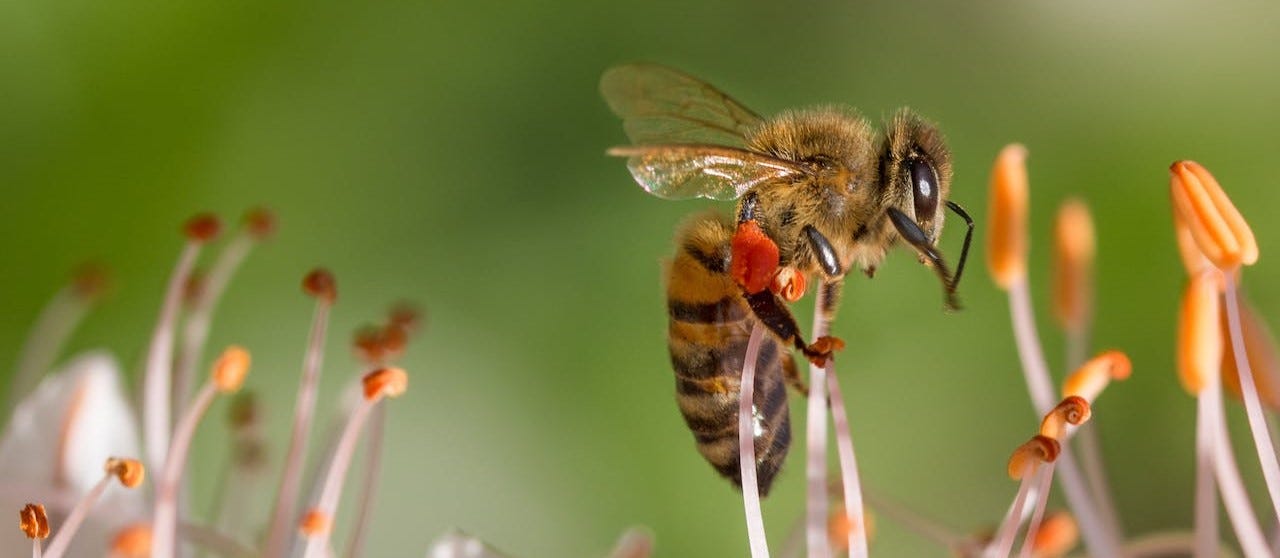
One such study, titled "Pesticide use negatively affects bumble bees across European landscapes," delves into the environmental impact of pesticide use, shedding light on crucial aspects of agriculture for the next century. In this study, researchers identified a concerning link between the presence of multiple pesticides, especially in simplified landscapes with intensive agricultural practices, and the diminished growth and development of bee colonies. Considering the crucial role of bees as natural pollinators in both natural and agricultural ecosystems, their well-being directly affects biodiversity and ecosystem stability. A significant decline in bee populations could result in lower crop yields and a loss of biodiversity. The research emphasizes that bees, as central place foragers, rely on the quality of forage resources within their range. The findings underscore shortcomings in the current regulatory system, suggesting it's ineffective in preventing pesticide impacts on non-target organisms. This is true even for species like bumble bees, which live in colonies that are thought to provide some protection against such impacts.
The implications of this research call for a shift toward sustainability goals, emphasizing the reduction of pesticide use. This aligns with objectives discussed in the COP 15 meeting on the Convention on Biological Diversity. Such a shift is crucial for safeguarding bee populations, which play vital roles in agricultural production and wild plant pollination.
Did you find this interesting? Let me know in the comments. :)
Link to study: https://www.nature.com/articles/s41586-023-06773-3
Image credit: Photo by Pixabay